
15 of 22 firms chosen have links to seven members in selection panel; members say they disclosed their interests, recused; it’s public money, need guardrails, says MP who flagged issue.
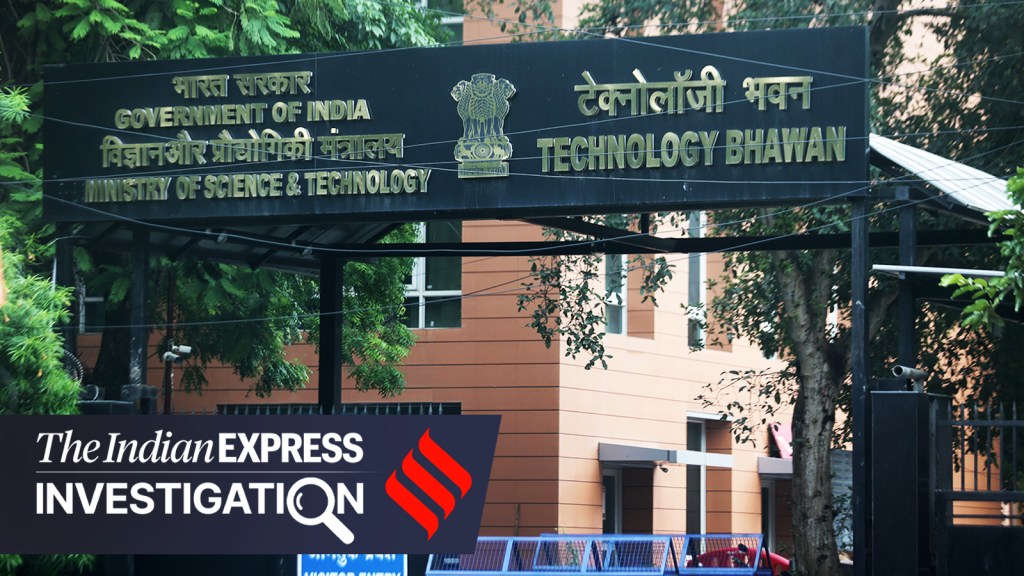
A new public fund to boost India’s deep-tech ambitions in the private sector has approved, in its first round, Rs 2,192 crore in soft loans to 22 private companies at the cutting edge of space science, energy tech and pharma, among others. These companies were chosen from 124 applicants by a 12-member panel, including 11 established names in private equity and technology, and a non-voting government representative. The credentials of each company are well-established.
A government-backed technology funding programme is facing scrutiny after public funds were awarded to private firms with links to individuals who were involved in the selection process.
The funding decisions have prompted questions about transparency, oversight and possible conflicts of interest. While the connections alone do not establish wrongdoing, critics argue that such relationships should have been clearly disclosed and independently reviewed.
How the Funding Decisions Came Under Scrutiny
Government technology funds are generally intended to support innovation, research and businesses developing technologies that can deliver broader economic or public benefits. Selection panels are typically expected to assess applications against established criteria and make decisions independently.
In this case, however, questions have emerged over whether some of the companies receiving funding had connections to people serving on, or associated with, the panel responsible for evaluating applications.
The issue has increased calls for greater disclosure of relationships between decision-makers and funding applicants, particularly when public money is involved.
Why Conflicts of Interest Matter
A conflict of interest does not necessarily mean that a funding decision was improper. However, even the appearance of preferential treatment can undermine confidence in a public funding programme.
Best-practice governance normally requires decision-makers to disclose relevant interests and, where appropriate, recuse themselves from discussions or decisions involving organisations with which they have a connection.
Independent oversight can also help ensure that funding decisions are based on clear and consistent criteria rather than personal or professional relationships.
Calls for Greater Transparency
The controversy has led to renewed calls for government agencies to publish more information about technology funding programmes, including:
- The criteria used to evaluate applications
- The names and backgrounds of selection-panel members
- Any declared conflicts of interest
- The amounts awarded to individual companies
- The reasons behind major funding decisions
- Details of independent reviews or audits
Greater transparency could help taxpayers understand how public funds are being distributed and whether appropriate safeguards were followed.
What Happens Next?
The focus is now likely to turn to whether the government or relevant oversight bodies will review the funding decisions and examine the relationships between the selected companies and members of the panel.
If an independent investigation finds that proper procedures were followed, it could help address concerns surrounding the awards. If problems are identified, authorities may need to consider whether funding decisions should be reassessed and whether governance rules need to be strengthened.
For now, the central issue is not simply which companies received funding, but whether the process used to select them was sufficiently independent, transparent and accountable.
As governments increasingly invest public money in emerging technologies, ensuring that funding decisions are free from conflicts—or are transparently managed when conflicts exist—will remain critical to maintaining public trust.